


Grassroots to Glory: How Local Leagues are Shaping Future Stars
Description: See how local leagues in India help young athletes build skills, gain exposure, and grow from grassroots talent into future stars.
Big stars rarely appear out of nowhere. In India and across the world, they usually begin on dusty grounds, uneven pitches, school courts, and local leagues where the crowd is small but the lessons are huge. Grassroots to Glory: How Local Leagues Are Shaping Future Stars reflects how sport actually grows: local competition builds skill, confidence, discipline, visibility, and community support long before a player reaches a national camp or a professional contract.
Grassroots to Glory: How Local Leagues Are Shaping Future Stars Quick Answer
Local leagues shape future stars by giving young athletes regular match experience, coaching, discipline, and visibility at an early stage. They also connect players to mentors, selectors, and community support, helping raw talent from small towns and neighbourhoods grow into real professional potential.
Where the real journey begins
Every professional athlete starts somewhere small. Before the trophies and sponsorships, there is usually a basic field, a cheap kit, and one coach who keeps showing up.
That is the heart of grassroots sport. It is the entry point for children and teenagers who may not have elite facilities but do have hunger, energy, and time to learn. In local leagues, players discover what teamwork, dedication, and discipline actually feel like. They learn to arrive on time, listen to instructions, respect officials, and recover from defeat. For beginners, this matters because talent alone is never enough. Habits are what carry players forward.
Why local leagues matter more than many people realise
Local leagues do something academies alone cannot always do: they create repetition under pressure. A youngster may look brilliant in practice, but real growth happens in matches, with teammates depending on them and opponents trying to stop them. Week after week, local competition teaches decision-making, resilience, and adaptability.
Athletes from humble beginnings often stand out later. They develop a distinct style shaped by difficult conditions and limited resources. A rough pitch can sharpen balance. A crowded school tournament can build composure. A long season of simple travel and constant adjustment can build mental toughness. In many cases, the grit formed in these early years becomes a player’s biggest advantage.
In India, this pattern is easy to spot. Cricket’s rise has been powered not only by major cities but also by smaller towns such as Ranchi and Vadodara, places now seen as talent factories rather than afterthoughts.
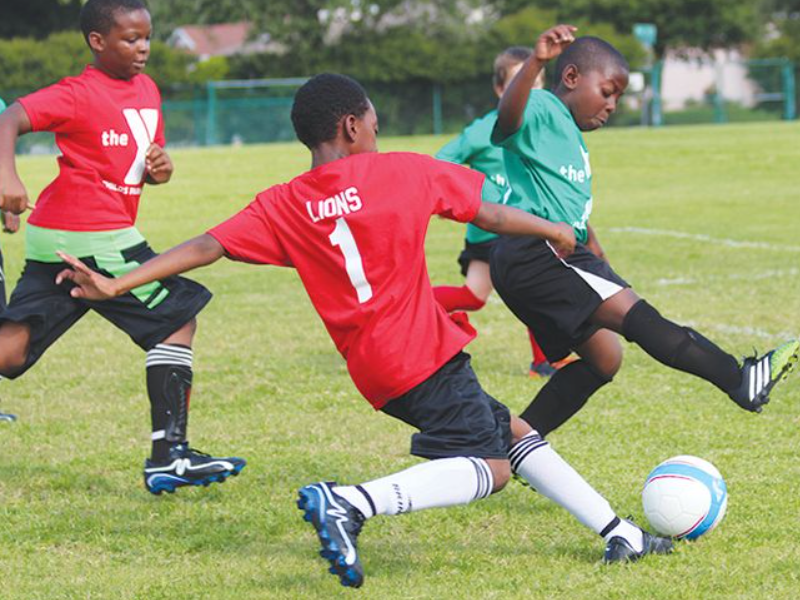
India’s small-town sports story is getting bigger
Elite pathways once seemed concentrated in bigger urban centres, but small towns and rural areas are producing athletes in cricket, football, athletics, badminton, and kabaddi. Local leagues are often the first serious stage in that journey.
Mohammed Siraj is a strong example. He came from a humble background, pushed through financial hardship, and still reached the highest level of Indian cricket. His story shows beginners something practical: local competition can be the first rung of a very real ladder.
Even the way fans follow sport has changed. People now track school tournaments, district cricket, local football, and kabaddi circuits with real interest, just as they might browse sports content or search 1xbet app download apk while keeping up with match buzz and rising names online.
What local leagues actually teach young players
Local leagues are not just about winning a medal on Sunday:
- They give regular game time, which is where instincts improve.
- They teach teamwork, communication, and role clarity.
- They build resilience through losses, bench time, and mistakes.
- They create visibility for coaches, selectors, and scouts.
- They help players feel they belong in sport, even before elite recognition arrives.
That last point is huge. Many young athletes quit not because they lack ability, but because they stop believing there is a place for them. A local league keeps the dream concrete. It gives structure to effort and makes progress easier to see.
The community effect goes far beyond the scoreboard
Grassroots sport changes the environment around the athlete. When a local player starts rising, the whole neighbourhood often begins to care more deeply about sport. Attendance at tournaments grows, local sponsors become interested, and younger children suddenly want to join training.
This ripple effect is social and economic at the same time. Community clubs become safe spaces where young people stay active, build friendships, and spend time in a disciplined environment. Families gather around matches, volunteers organise events, and small businesses benefit from extra footfall. Kabaddi is a strong Indian example. What was once seen mainly as a rural pastime has grown into a nationally recognised sport, creating jobs, attention, and fresh ambition.
The people behind the scenes matter just as much
Every local league runs on effort that rarely gets headlines: coaches, parents, volunteers, organisers, and referees keep the system alive.
Someone marks the field. Someone washes kits late at night. Someone arranges transport. Someone spends evenings running drills in bad weather. These people are not chasing fame. They believe sport can shape young lives, and they are usually right. Without them, the pathway from beginner to professional would weaken long before a selector ever arrived.
Technology is changing talent discovery
Video analysis, data tracking, and online platforms are reducing the visibility gap. Young athletes can upload match footage and build a digital portfolio. Scouts can review clips without travelling immediately. Fans can follow emerging names before they become famous. This matters in a country as large and diverse as India, where geography has often limited opportunity.
Technology also helps local leagues look more organised and credible. That can attract more interest from sponsors, development programmes, and wider sports communities.
What still holds grassroots players back
Many grassroots athletes still deal with poor facilities, limited coaching access, and financial instability. Pitches flood, grounds are uneven, clubs operate on tight budgets, and equipment costs rise. For girls, social expectations and unequal opportunities still affect participation in many places.
What helps bridge the gap
- Affordable training programmes for lower-income families.
- Better infrastructure in underserved areas.
- Mentorship from experienced players.
- School-level talent discovery.
- Women-focused tournaments and support systems.
Programmes such as Khelo India show why structured support matters. Scholarships, competitive exposure, and better training environments can turn scattered talent into a stronger pipeline.
From local leagues to wider sporting influence
The sports industry has noticed the value of grassroots talent. Sponsors, leagues, and organisations now see local development not only as social good but also as smart long-term investment. The underdog story connects with audiences, and players from overlooked regions often bring authenticity that fans respond to immediately.
This is happening beyond India too. Major League Baseball has built academies in Africa, the NBA has expanded outreach in India. Marcus Rashford in football and Sadio Mané in soccer show how grassroots beginnings can lead to elite performance and wider cultural influence. Different sport, same lesson: the future of sport will not be built only in elite centres.
Why this matters for the next generation
Grassroots sport keeps the entire system alive. Without local leagues, there is no broad base. Without that base, the top level becomes narrower, less diverse, and less connected to real communities.
For India, the opportunity is exciting. The country has deep sporting passion, a huge youth population, and growing interest across multiple disciplines. If local leagues continue to improve in quality, access, and visibility, more future stars will come from places that once sat outside the spotlight. That is good for performance, communities, and the culture of sport itself.
The road to glory still begins locally. And that is why local leagues remain one of the most powerful forces in shaping tomorrow’s champions.
FAQ
Q: Why do local leagues matter so much for young athletes?
A: They give players regular competition, teach discipline, and help them improve under real match pressure. They also make it easier for coaches and selectors to notice talent early.
Q: Can players from small towns in India really reach the top?
A: Yes. Indian sport already has strong examples of athletes who started in modest settings and rose through local and regional competition.
Q: How does technology help grassroots talent?
A: Video clips, tracking tools, and online platforms make it easier for players to be seen beyond their local area. This reduces the visibility gap for athletes from remote places.
Q: What are the biggest challenges in grassroots sports?
A: Common problems include weak infrastructure, limited coaching, rising costs, and financial pressure on clubs and families. Female athletes often face extra barriers as well.
Q: What can make the pathway stronger?
A: Better facilities, affordable coaching, school-level scouting, mentorship, and support programmes can make the journey from local leagues to higher levels more realistic and inclusive.