

AI face swap and video face swap changing how digital content is made
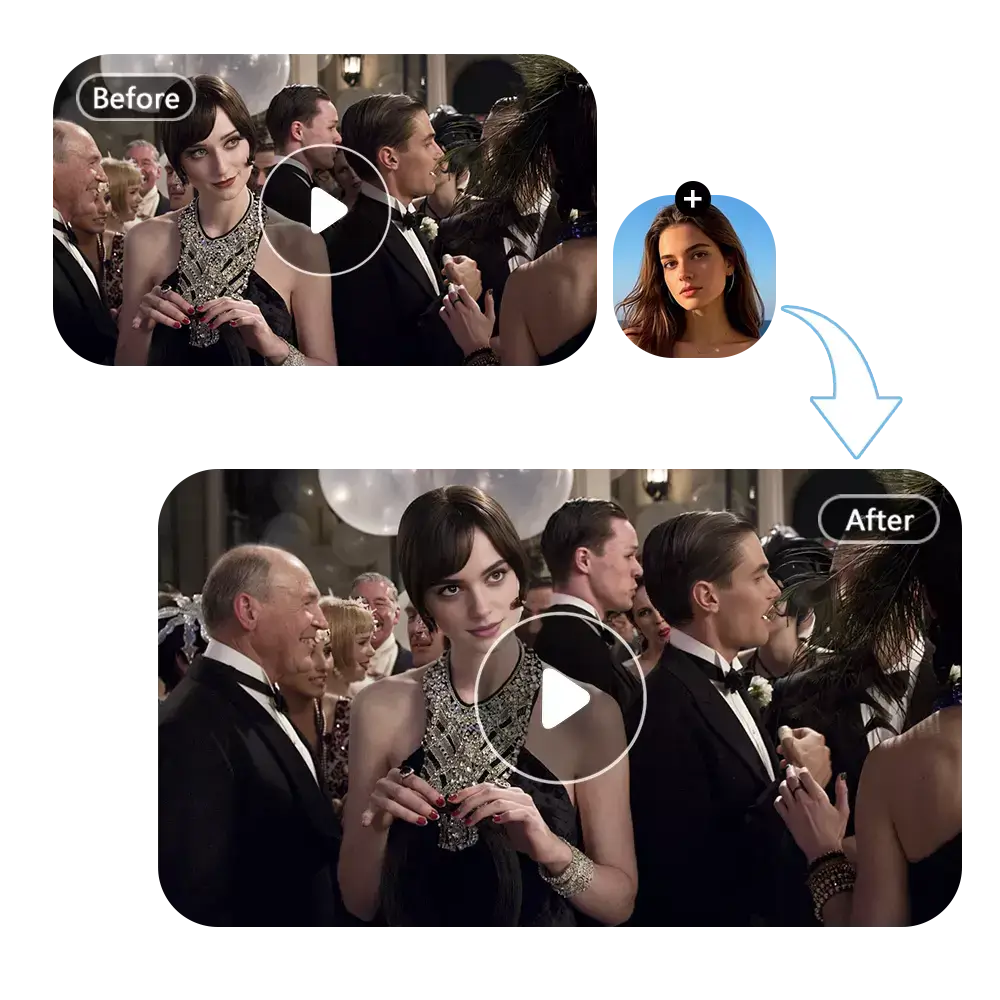
Years back, things started shifting when machines began helping folks make, tweak, change, then pass along online stuff. One odd twist? Swapping faces using smart software – both still pictures and moving ones too. Instead of needing heavy gear or deep skills, now anyone can slide one person’s look onto another in videos fairly smooth. Movies leaned into it, ads picked up on it, even regular posts on apps changed because of how real it feels. What once took experts hours happens fast, almost without notice these days.
Curious about tech that swaps faces in videos? It might sound like magic, but it runs on smart algorithms trained to map facial features. From hobbyists to pros – filmmakers, marketers, anyone playing with digital art – it opens doors. Over time, the tools got smoother, faster, less glitchy. They now slip into apps people use daily, changing how stories are told. Still, not everything shines; privacy worries pop up. Mistakes happen too, sometimes awkward ones. Yet the path ahead feels alive with potential – if guided wisely. What once felt sci-fi now shapes real-world media.
AI Face Swap Explained Simply?
One person’s face shows up where another used to be – that happens through AI Face Swap. Machines trained on huge sets of pictures handle the switch instead of hand-drawn edits. Where old methods needed hours of tweaking by experts, smart software now finds faces and swaps them fast. Learning from examples helps these systems mimic expressions naturally. What once took skill and time now runs on code that adapts itself.
Modern AI face swap systems analyze facial features such as:
- Eye shape and position
- Nose structure
- Facial expressions
- Skin tone
- Head orientation
- Lighting conditions
A fake part appears, matching the scene so well it feels real. Seconds pass before the switch happens, quick like blinking. Popularity grew once people saw how true-to-life the outcomes could be.
How Video Face Swapping Works
Years have passed since photo face swaps first appeared. Yet shifting faces smoothly across moving footage marks real progress. Instead of static images, whole clips now show swapped features that keep matching the original gestures. Light changes, subtle motions, even tiny shifts in expression stay aligned. Through each frame, the new face behaves like it belongs.
Picture adjustments sit still. Video face changes demand constant motion handling by smart software, frame after frame without pause because smoothness matters most here where timing controls everything behind the scenes yet keeps faces matching across seconds that stretch into minutes when watched closely but feel quick at normal speed despite hidden complexity building up silently underneath each scene shift happening steadily forward
- Smooth facial transitions
- Accurate expression tracking
- Realistic lip synchronization
- Consistent lighting adjustments
- Natural head movement adaptation
- Temporal stability across frames
A natural blend of face and body unfolds, making it seem like someone’s features fit seamlessly onto another person moving through space.
AI face swap explained simply
Behind every face swap lies a web of smart code, built using layers that mimic brain activity. These systems learn patterns by scanning countless images, spotting tiny differences others miss. Instead of rules written line by line, they grow sharper through trial and error. Vision tasks once thought impossible now happen in seconds, guided by math shaped like neurons. What looks like magic is really just careful training over time.
1. Facial Detection
Starting off, the system spots human faces in pictures or moving footage. Then comes the part where detailed software pinpoints exact reference points on each face
- Eyes
- Eyebrows
- Nose
- Mouth
- Jawline
- Facial contours
2. Feature Extraction
After spotting a face, it pulls out distinct features using those details to build a number-based version of how someone looks.
3. Face Mapping
Starting with the source face, AI transfers it to the target without losing how someone is feeling. Even when light shifts, those details stay intact through each change. Movements of the face flow naturally into the new image, held steady by smart adjustments behind the scenes.
4. Image Generation
A fresh face emerges through generative AI, shaped to fit smoothly into the scene. Built by smart algorithms, it slips into place without standing out. The result feels real, not forced – crafted bit by bit behind the scenes.
5. Post-Processing
Little by little, the AI sharpens tiny elements like
- Skin texture
- Lighting consistency
- Facial shadows
- Edge blending
- Color correction
Out of this comes the sharp look seen in today’s face-swapping apps. These tools reshape images in ways that feel almost too natural. Behind it lies a flow that pushes pixels into lifelike mimicry. Realism sneaks in through layers most people never notice. What emerges is less like editing, more like quiet replacement.
The Growing Use of Video Face Swaps in Making Content
These days, more people are into swapping faces in videos because eye-catching visuals matter a lot online. Creators on social platforms find it handy – so do film folks and companies – for different kinds of projects.
Some major factors driving adoption include:
- Improved AI accuracy
- Faster processing speeds
- User-friendly interfaces
- Affordable software options
- Growing demand for personalized content
Today, creators can produce professional-quality face-swapped videos without requiring extensive technical expertise.
AI face swap uses
Entertainment Industry
The entertainment industry has become one of the largest adopters of AI Face Swap technology. Studios use face-swapping tools for:
- Special effects
- Character replacement
- Digital de-aging
- Historical recreations
- Film restoration
Fewer expenses come through these tools, yet they open up more room to experiment. Though built for efficiency, their real strength shows when ideas take new shapes.
Social Media Content
Now picture this – social media sites added AI face swap tools just to keep people scrolling. Creators toss those swaps into videos so viewers stick around a bit longer
- Create viral videos
- Produce humorous content
- Generate personalized media
- Develop interactive experiences
- Enhance storytelling
More people use them because they’re easy to get.
Marketing and Advertising
From time to time, companies turn to Face Swap Video Free tools when shaping one-of-a-kind ads. These efforts often lead to deeper customer connections. A few notice quicker engagement through tailored visuals. Some rely on it to stand out in crowded spaces. Others find value in how real the altered clips appear. Each approach shifts slightly depending on audience reaction
- Customized advertisements
- Localized promotional content
- Influencer collaborations
- Interactive customer experiences
- Personalized video messaging
Focusing on this method allows businesses to connect better with their audience, which often leads to more conversions. Still, results depend on how well it’s applied over time.
Education and Training
Some schools plus companies apply artificial intelligence that swaps faces to build:
- Interactive training videos
- Historical recreations
- Educational simulations
- Language learning content
- Virtual presentations
Games mixed with lessons grab attention better. Learning sticks when it feels like play instead of work.
AI face swap and video face swap uses
Time Efficiency
Out of nowhere, a face swap tool powered by artificial intelligence finishes in minutes. While old-school visual effects drag on for days or even weeks, this method speeds things up – no long waits, just fast output. The result? Realistic visuals appear almost instantly, shifting how quickly work gets done.
Cost Reduction
Out of nowhere, crisp visuals show up on screen – no big crew needed. A single person might pull it off using tools that cost less than a camera rental. Suddenly, high-end results come from quiet work at a desk. No studio lights, no software manuals piling up. Just clean output shaped by time and clicks.
Accessibility
Most face-swap tools come with straightforward designs so people without tech skills can jump right in. These apps open up complex edits to anyone who tries them.
Creative Freedom
Trying out fresh ideas, different figures, or ways of telling stories becomes possible when making content. A big budget isn’t needed to test unusual approaches. New methods show up through trial, often shaped by curiosity rather than cost. Expensive setups? Not required for invention here. What matters is starting, not spending.
Enhanced Personalization
One way some companies stand out is by shaping their approach to fit each person they serve. This personal touch tends to keep people more involved. Satisfaction often grows when interactions feel made just for you.
Challenges and Ethical Considerations
Even with many benefits, swapping faces using artificial intelligence brings up tough questions about right and wrong. Still, people worry how it might affect trust in what they see online.
Privacy Concerns
A face shown without permission might cross legal lines. When someone shares a picture, agreement from that person matters. Using looks without approval risks personal boundaries. Permission first keeps things on solid ground.
Misinformation Risks
Picture swapping faces in videos so real it blurs truth, opening doors to false narratives without clear intent. A single edit might twist perception, slipping fiction into spaces meant for fact. Realism once admired now feeds doubt, where seeing is no longer believing. Digital mimicry spreads quietly, altering trust in what eyes witness firsthand.
Identity Protection
When faces shift through tech, holding on to who you really are matters more. Digital truth slips harder to keep as tools grow sharper.
Copyright Issues
Picture this – borrowing someone else’s video or photo without asking could land creators in hot water. Trouble might come knocking when firms use protected visuals without consent. Think twice before sharing that clip; rights matter just as much as results. Getting caught using material you did not clear? Legal headaches follow close behind.
Responsible Use Guidelines
Start by respecting others’ privacy when using AI Face Swap tools. Always get clear permission before swapping someone’s face into an image. Think twice about how the result might affect people involved. Instead of sharing widely, consider who really needs to see it. Mistakes can spread fast, so double-check every detail first. Stay aware of laws in your area, because rules differ across places. Misuse leads to harm, which is why caution matters most
Obtain Permission
Before using someone’s face in a swap, get their permission first. People must agree if their likeness is part of the result. Using images without approval can cause problems later on. Respect begins when you ask, not after the fact. A clear yes matters every single time.
Maintain Transparency
Start by letting people know if changes came from AI tools. When edits happen behind the scenes, point them out plainly. Reveal shifts made through machine-driven methods without hiding details. Show what was adjusted, especially if smart software helped shape it. Mention upfront whenever digital systems touched the content.
Respect Privacy
Start by thinking twice before swapping faces online. When pictures get twisted without permission, problems follow. Using such tools to trick people crosses a line. Harm often hides behind fake smiles on borrowed faces. Wrong choices here can hurt real lives. Slippery slopes begin with clicks that seem harmless at first.
Follow Legal Regulations
Knowing what rules apply where you live helps keep your actions around editing digital material within legal boundaries. A region’s stance on personal data often shapes how freely images or information can be altered. Laws differ, so checking local policies makes a difference when handling private details online.
The Future of AI Face Swap Tech
One thing might surprise you about AI face swapping – its next chapter is closer than it seems. With each leap in machine learning, fresh twists emerge quietly. Speed shifts. Details sharpen. Old limits fade without fanfare. Smarter systems learn faces like memory recalls moments. Progress slips in through backdoors nobody watches. Subtle changes pile up where eyes don’t linger. What feels futuristic today runs on tomorrow’s phone. Quiet upgrades reshape what feels possible. Expect less talk, more transformation hiding in plain sight.
Real-Time Face Swapping
Livestreams might soon show faces that aren’t really there, shifting in real time. Yet behind the screen, someone else is actually speaking. These digital masks could behave just like skin, moving with every blink or grin. Instead of static edits, changes happen instantly, frame by frame. Behind each look-alike moment sits complex code mimicking human motion. So what seems like a person may be a borrowed face, reshaped on the fly.
Improved Accuracy
Tomorrow’s smarter programs could bring lifelike gestures, subtle feelings, through sharper motion tracking. Behind each blink or smirk lies deeper learning patterns shaping how digital faces respond.
Enhanced Personalization
Businesses will leverage AI face swap technology to create hyper-personalized customer experiences.
Virtual Reality Integration
Expect face swaps to show up more in VR spaces, along with games that live online. Where people gather digitally, this tech tends to follow closely behind. A shift toward immersive worlds makes such tools harder to ignore over time.
Automated Content Production
One step ahead, these tools might swap faces while building videos without human help. Behind the scenes, artificial intelligence handles both making scenes and changing who appears in them. As time moves on, such features could become standard in systems that generate clips automatically. Instead of separate steps, face replacement may happen mid-process during video assembly. Driven by smart algorithms, the whole workflow adapts to include identity swaps seamlessly.
How to Pick an AI Face Swap Tool
AI face swap video platform selection considerations
- Output quality
- Processing speed
- Ease of use
- Privacy protections
- Supported file formats
- Pricing structure
- Customer support
- Editing features
What works best hinges on what you aim to achieve, how comfortable you are with tech, also the money you can spend.
Conclusion
Out of nowhere, faces shift in videos – thanks to tech that reshapes how things are made online. Not just movies or posts anymore; even ads and lessons change when swapping steps in. Creativity gets a nudge, tailored visuals pop up more often, fresh ideas appear where you least expect them. What once felt impossible now slips into everyday work without warning.
One day soon, swapping faces in photos might feel as normal as sending a message. Still, doing it right means being open about how it’s done. Machines keep getting smarter at this task, making tricks once seen only in movies now possible on any phone. Yet every new feature should come with clear rules. People must know when an image has been changed. Without honesty, trust slips away fast. Simple tools can cause big confusion if used carelessly. Watching where this goes matters just as much as building it.
Creators, companies, or those who love tech – each might find something fresh in face swap tools. These systems reshape video moments in ways that feel surprising. One change leads to another when swapping faces digitally. Motion meets mimicry without delay. New paths appear where identity bends but doesn’t break. What once seemed distant now runs on everyday devices. Possibilities grow quietly behind each frame. The digital world shifts – not all at once – but enough to notice.