

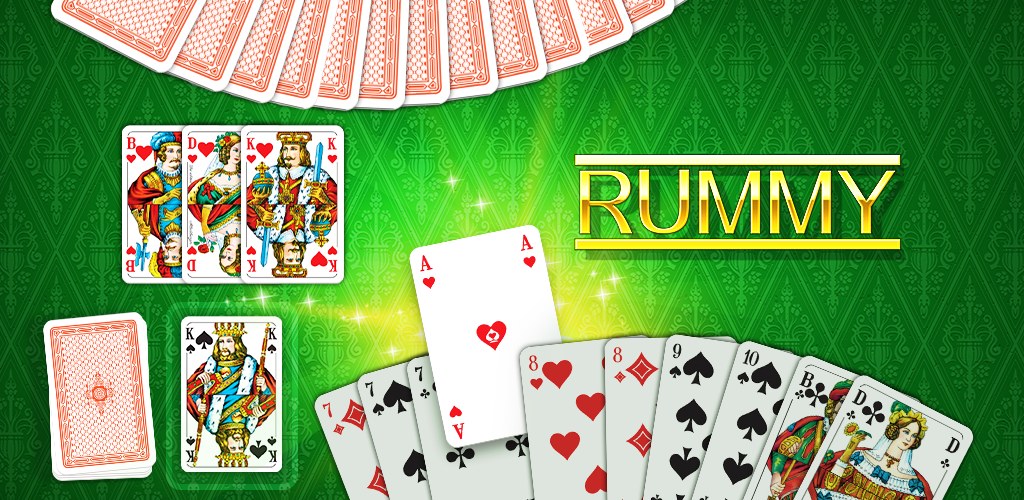
Rummy 51
Rummy 51 is a keyword that people may encounter when searching for different rummy games, online card-game formats, and mobile applications. The term combines the familiar concept of rummy with the number 51, which may have different meanings depending on the website or game being discussed.
Before exploring any Rummy 51 platform, it is important to understand that there is no single universal rulebook associated with every use of this name. Some websites may use it as a game title, while others may associate the number with a points requirement or a particular format.
This guide explains the basic concepts of rummy and the important details to verify when researching Rummy 51.
What Is Rummy 51?
Rummy 51 is a search term associated with rummy-related gaming content. Its exact meaning depends on the platform using the name.
In some card-game formats, numbers may refer to opening points, minimum scores, or other game conditions. In other situations, a number may simply be part of a platform or application name.
Therefore, players should not assume that every Rummy 51 game uses identical rules.
Before beginning, read the official instructions and check:
Number of cards dealt.
Number of players.
Minimum sequence requirements.
Opening-point conditions.
Joker rules.
Declaration requirements.
Scoring and penalty calculations.
Readers interested in this topic can explore Rummy 51 for additional information about rummy-related formats.
Basic Rummy Rules
A common version of Indian Rummy is played with 13 cards per player. The objective is to arrange the cards into valid combinations.
There are two main types of combinations: sequences and sets.
Understanding Sequences
A sequence consists of three or more consecutive cards belonging to the same suit.
For example:
5♠ – 6♠ – 7♠
This is a sequence because all three cards belong to the same suit and appear in consecutive order.
Understanding Pure Sequences
A pure sequence contains consecutive cards of the same suit without using a joker as a replacement.
Example:
3♦ – 4♦ – 5♦
In common 13-card Indian Rummy rules, at least one pure sequence is generally required for a valid declaration.
Understanding Impure Sequences
An impure sequence uses a joker as a substitute for a missing card.
Example:
6♥ – 7♥ – Joker
The joker may represent the missing card, subject to the game's rules.
Understanding Sets
A set consists of three or four cards of the same rank from different suits.
Example:
9♠ – 9♥ – 9♦
The exact rules for jokers and valid combinations should always be checked for the selected format.
How the Draw and Discard Process Works
In a common 13-card format, players receive 13 cards at the beginning of a round.
During a turn, a player generally:
Draws one card from the closed deck or open discard pile.
Reviews the available cards.
Arranges cards into possible combinations.
Discards one card.
Continues until a valid declaration is possible.
The purpose of drawing and discarding is to improve the hand while reducing unnecessary unmatched cards.
However, specific turn procedures can differ between platforms.
Understanding the Number 51
The number 51 should be interpreted according to the specific game's instructions.
For example, if a website describes 51 as an opening-point requirement, players should check how those points are calculated and which cards are included.
If it describes a scoring limit, readers should understand how the limit affects the outcome of a round.
Never assume that an opening requirement or scoring condition from one platform applies to another.
Important Things to Check Before Using a Rummy 51 Application
Mobile applications may differ in terms of their features, permissions, and operating requirements.
Before installing an application, check its publisher and source. Verify whether the download page belongs to the actual developer. Review the requested Android permissions and make sure they are appropriate.
Also check the application version, compatibility, privacy policy, and customer-support information.
Do not install APK files received from unknown messages or suspicious links.
Websites for Rummy-Related Information
People researching Rummy 51 can compare different information sources.
Top Rummy is a reference for topics involving All Rummy, Top Rummy, and related card-game keywords.
Rummy Bonus APK is another website that can be researched for application-related information. Promotional descriptions should always be checked against the actual terms and conditions.
New Rummy is an additional destination to examine when researching new rummy-related platforms.
Always verify the ownership, services, and policies of each website independently.
Common Mistakes Beginners Should Avoid
New players sometimes make mistakes because they concentrate on collecting cards without understanding valid combinations.
Some common mistakes include:
Confusing sequences with sets.
Assuming that every joker can be used in every combination.
Ignoring the pure-sequence requirement.
Misunderstanding the points system.
Declaring without checking all cards.
Assuming that every rummy format has the same rules.
Learning these details can make the game easier to understand.
Responsible Gaming and Legal Awareness
Before accessing any online card-game service, check local regulations. Gaming laws may vary by location and may change over time.
Do not assume that a website is legally permitted simply because it is accessible online. Read the service's terms and verify its eligibility restrictions.
Avoid unrealistic promises about earnings, rewards, or guaranteed results. Never spend money that is needed for essential expenses.
Conclusion
Rummy 51 is a keyword associated with different rummy-related formats and platforms. Its exact rules depend on the specific service or game using the name.
Understanding sequences, sets, jokers, card values, and declaration conditions provides a useful starting point. Always review the actual rules before using any platform.
For additional information, visit Top Rummy, Rummy Bonus APK, and New Rummy.
Disclaimer: This article provides general educational information. It does not establish the rules of every Rummy 51 platform or guarantee any financial outcome.